Sell Your Used IBC Totes
Turn surplus, empty, or unwanted IBC totes into cash. We buy containers in any condition, offer same-day quotes, and provide free pickup throughout the Rochester area. It's fast, easy, and keeps IBCs out of landfills.
Get a Cash Offer for Your IBCs
Fill in the details and we'll get back to you within 24 hours.
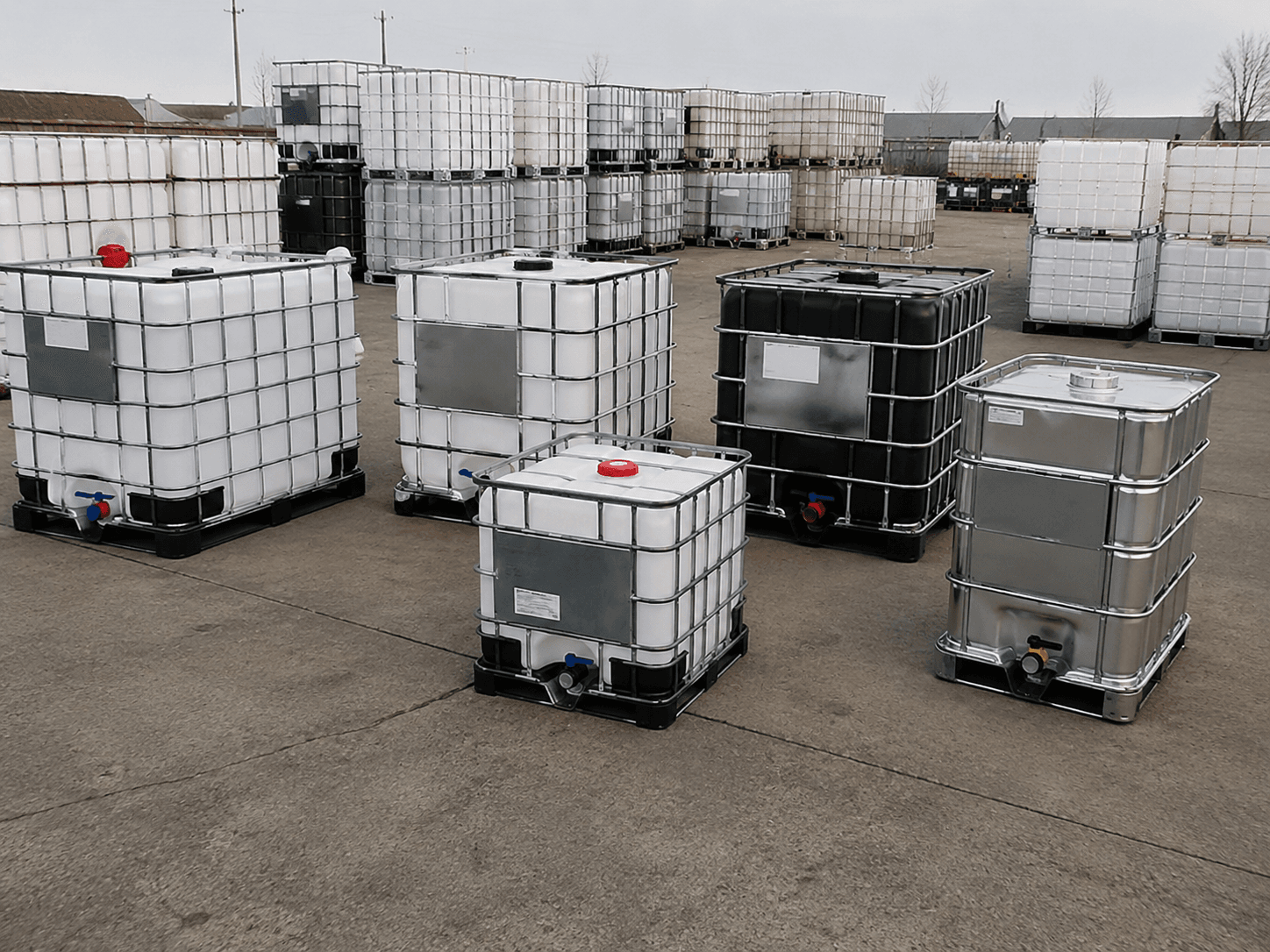
We accept IBCs in every condition: from clean food-grade units to heavily used industrial containers.
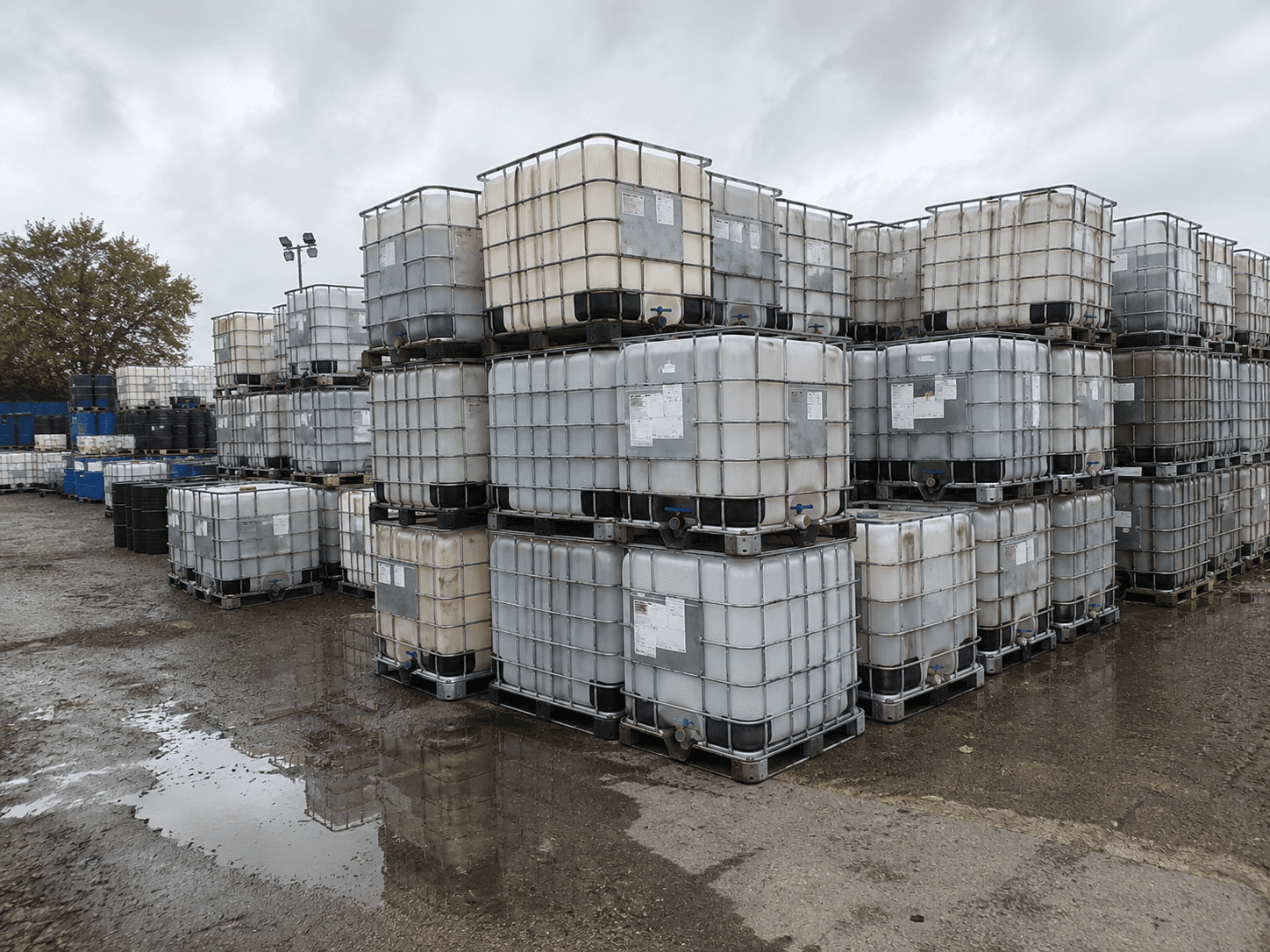
Large-volume pickups are our specialty. We handle logistics for collections of any size.
How to Sell Your IBCs in 4 Steps
Selling your used IBC totes to Rochester IBC is simple. No paperwork, no waiting, no hassle. Here is exactly how it works from start to finish.
Contact Us
Fill out the form above, call us, or send an email. Let us know how many IBCs you have, their approximate condition, and what they previously held. Photos are helpful but not required.
Receive Your Quote
We respond with a cash offer within the same business day. Our pricing is transparent and based on condition, quantity, prior contents, and current market demand.
Schedule Pickup
Accept the offer and we schedule a pickup at your convenience. Our trucks and crew come to your location. No need to palletize or prep - we handle everything.
Get Paid
Payment is issued at the time of pickup or within 24 hours via check or electronic transfer. Larger volumes may qualify for premium pricing and priority scheduling.
What Makes a Tote Valuable
Understanding what drives IBC buyback pricing helps you maximize the value of your containers. Here is a detailed breakdown of the factors that determine how much your totes are worth.
Bottle Clarity
Clear, unstained HDPE bottles are the highest-value component. Bottles that are transparent or only lightly tinted indicate the IBC held non-staining liquids and can be reconditioned for food-grade or premium industrial use. Heavy staining, yellowing, or opacity from UV degradation lowers the value because these bottles are harder to clean and have a narrower range of second-life applications.
Prior Contents History
What the IBC previously held is the single biggest value driver. Containers that held food-grade products (juices, syrups, oils, food additives) command top prices because they can be certified for food-safe reuse. Non-hazardous industrial chemicals are mid-range. Containers that held hazardous, toxic, or persistent chemicals have the lowest buyback value because they require specialized processing.
Structural Integrity
The cage, pallet, and bottle must all be structurally sound for the container to have reuse value. Straight cages with no significant bends or corrosion, intact bottles with no cracks or holes, and pallets that can support full load plus stacking weight are ideal. Containers with structural damage still have recycling value, but it is significantly less than reuse value.
Valve and Seal Condition
Functional valves that open, close, and seal without leaking add value. Missing or broken valves reduce the price because replacement parts and labor are factored in. Original butterfly valves in good condition are preferred. Gaskets and lid seals are inspected too: intact seals mean the container can be cleaned and returned to service faster.
Quantity Available
Volume drives better per-unit pricing for sellers. A single IBC earns the base rate, but batches of 20, 50, or 100+ units qualify for premium per-unit pricing. This is because larger pickups are more efficient for our logistics: one truck trip for 50 containers costs far less per unit than individual pickups. Regular sellers with ongoing volume qualify for the highest rates.
Age and Use Cycles
Newer IBCs with fewer prior use cycles are worth more. Every IBC has a date of manufacture stamped on the bottle. Containers less than 3 years old with 1-2 prior uses are premium. Units 3-5 years old are standard. Containers older than 5 years or with more than 5 use cycles have reduced reuse value but retain full recycling value for materials recovery.
Our Condition Assessment Criteria
When we evaluate your IBCs for buyback, our team inspects each component systematically. Here is exactly what we look at and how each factor affects your payout. This transparency ensures you understand your quote and can maximize value before we arrive.
Component-by-Component Inspection
HDPE Bottle (40% of value)
Clarity, color, staining, cracks, warping, UV degradation, odor, wall thickness, manufacturing date code. Clear bottles with no odor = maximum value. Cracked or warped bottles = recycling value only.
Steel Cage (25% of value)
Straightness, weld integrity, rust/corrosion level, latch function, corner integrity, lift points. Minor surface rust is acceptable. Severely bent frames or broken welds reduce value but still have steel recycling worth.
Valve Assembly (15% of value)
Type (butterfly, ball, cam-lock), operational function, seal integrity, thread condition, handle presence. Working valves in good condition are refurbished and reused. Non-functional valves are replaced, cost deducted from payout.
Pallet Base (10% of value)
Material (wood or composite), structural integrity, board condition, runner integrity, forklift entry clearance, load-bearing capacity. Wood pallets with all boards intact and no split runners pass. Broken pallets can be repaired.
Lid and Gaskets (10% of value)
Lid presence and condition, gasket integrity, seal test, vent cap if applicable. Missing lids deduct from the offer. Gaskets are consumable and routinely replaced during reconditioning.
Overall Condition Grades
Excellent (Top Dollar)
One-trip IBCs or containers used once for food-grade products. Clear bottle, straight cage, working valve, intact pallet. These containers go directly to our Grade A inventory after cleaning. Sellers receive the highest per-unit payout. Common sources: food manufacturers, beverage producers, pharmaceutical companies.
Good (Fair Price)
IBCs with 2-4 use cycles. Bottle may have light tinting or discoloration. Cage is straight with minor surface wear. Valve functional. Pallet solid. These enter our cleaning pipeline and are resold as Grade B. Payout is moderate and represents the bulk of what we purchase. Common sources: chemical distributors, cleaning product manufacturers, agricultural suppliers.
Fair (Recycling Value)
Heavily used IBCs with stained bottles, dented cages, or worn components. May have held staining or difficult-to-clean products. These are still valuable: clean containers become Grade C inventory, while end-of-life units provide HDPE, steel, and wood for recycling. Payout is lower but beats landfill disposal fees by a wide margin.
Damaged (Materials Value)
Cracked bottles, severely bent cages, broken pallets, or contaminated containers. No reuse potential, but the materials are valuable. HDPE bottles yield 120 lbs of recyclable plastic. Steel cages yield 80 lbs of scrap steel. We still pay for these, and it is far better than paying someone to haul them to a landfill.
Detailed Payout Structure
Our buyback pricing is transparent and based on a consistent framework. While exact prices fluctuate with market conditions, here is how the payout structure works so you know what to expect.
Excellent
Clean, food-grade, 1-2 uses, clear bottle, all components intact
Good
Industrial use, light wear, functional components, cleanable
Fair
Heavy use, staining, some component damage, still structurally sound
Damaged
Cracked, bent, or contaminated. Paid for material recovery value
Volume Bonuses
Payment Options
- Cash at the time of pickup for qualifying orders
- Business check issued at pickup or mailed within 24 hours
- ACH electronic transfer within 1-2 business days
- Wire transfer for large transactions ($5,000+)
- Credit toward future IBC purchases (Tote Swap Program)
- Net 15 invoicing for recurring sellers with established accounts
What We Buy
Rochester IBC purchases used IBC totes in virtually any condition. Whether your containers are clean and ready for resale or heavily used and past their prime, we have a path for every tote. Reusable containers enter our cleaning and reconditioning pipeline. End-of-life units are sent to our recycling facility for responsible material recovery.
Clean, Lightly Used IBCs
Previously held food-grade or non-hazardous liquids. Bottles clear or lightly tinted. These command the highest buyback prices.
Top DollarModerately Used IBCs
Stained bottles, worn labels, minor cage dents. Still structurally sound and suitable for reconditioning. Good value for sellers.
Fair PriceHeavily Used or Damaged IBCs
Cracked bottles, bent cages, broken pallets, or contaminated units. We still buy these for materials recycling. Better than landfill disposal.
Recycling ValueIBC Components & Parts
Selling just cages, bottles, pallets, or valves? We buy individual IBC components too. Nothing goes to waste in our facility.
Parts AcceptedHow We Price Your IBCs
Our buyback prices are determined by several factors. We aim to offer the most competitive rates in the Rochester area while maintaining fair and transparent pricing for every seller.
Container Condition
The overall physical state of the bottle, cage, valve, and pallet. Cleaner units in better shape earn higher prices. We grade every container on a consistent scale.
Prior Contents
IBCs that held food-grade, non-hazardous, or non-staining liquids are worth more because they can be reconditioned for a wider range of buyers.
Quantity
Volume matters. Sellers with 20+ units typically receive premium per-unit pricing. If you regularly generate surplus IBCs, ask about our ongoing purchase agreements.
Market Demand
Prices fluctuate with market conditions. Certain sizes, configurations, or food-grade units may command higher prices depending on current buyer demand.
Location & Accessibility
Pickup within the Rochester metro area is free. More distant locations may have adjusted pricing to account for transport costs, though we service the entire Northeast.
The Tote Swap Program
Our Tote Swap Program is designed for businesses that both use and generate IBC totes. Instead of separate buy and sell transactions, we combine them into a single streamlined exchange. You trade in your empties and receive clean, graded replacements on the same truck, on the same visit.
The value of your trade-in containers is credited directly against the cost of your replacement units, reducing your net expense per container significantly. For businesses with consistent IBC flow, the Tote Swap Program simplifies logistics, reduces costs, and eliminates the hassle of managing two separate transactions.
Tote Swap clients receive priority scheduling, dedicated account management, and the best available pricing on both sides of the transaction. It is the most efficient way to keep your container supply fresh without the overhead of managing surplus inventory.
Enroll in Tote SwapHow Tote Swap Works:
How Our Pickup Works
Our pickup service is designed to be completely hassle-free for you. Once you accept a quote, we handle every aspect of the collection. Here is exactly what to expect on pickup day.
Scheduling
We work around your schedule. Choose a day and time window that fits your operations. For recurring sellers, we establish standing pickup schedules so containers never pile up.
Equipment
Our flatbed trucks are equipped with forklifts for loading. We can access docks, yards, parking lots, and even rough terrain. No dock required at your location.
Crew
Our trained crew handles all loading. They will locate, inspect, count, and load every IBC. You do not need to provide labor, equipment, or supervision beyond pointing us to the containers.
Count & Condition Verification
At pickup, our team verifies the count and does a quick condition assessment. If the actual condition differs significantly from the quote estimate, we adjust the offer on the spot. You can accept or decline.
Paperwork
You receive a pickup receipt documenting the number of units collected, condition notes, and the agreed payout. This serves as your record for accounting and environmental reporting purposes.
Free Pickup Details
We come to you. Our trucks and team will pick up your IBCs from your warehouse, dock, yard, or parking lot. No need to arrange transport or bring containers to us. For qualifying volumes within the Rochester metro area, pickup is completely free.
Have fewer than 5 units or located outside our free zone? We still want your IBCs. Contact us for a custom quote that includes adjusted pickup costs. For large volumes (50+ units), we offer priority scheduling and premium pricing regardless of location.
Learn about our transport capabilities →Environmental Credits for Sellers
Beyond cash payment, selling your IBCs to Rochester IBC generates documented environmental benefits that support your company's sustainability goals, ESG reporting, and regulatory compliance. Here is what you receive with every transaction.
Recycling Certificates
For containers that enter our recycling stream, you receive an official Certificate of Recycling documenting the number of units processed, materials recovered (HDPE, steel, wood), recycling facility destinations, and zero-landfill confirmation. These certificates are audit-ready and accepted by major ESG reporting frameworks.
Carbon Offset Documentation
Each reused IBC avoids approximately 70 lbs of CO2 that would be generated manufacturing a new container. Each recycled IBC avoids the emissions associated with virgin material extraction and processing. We calculate and document these avoided emissions for your sustainability reports.
Landfill Diversion Tracking
Every IBC we collect is tracked through our system to its final disposition: reuse, reconditioning, or materials recycling. You receive documentation showing the total weight of material diverted from landfill, broken down by material type. Useful for waste reduction goals and environmental permit compliance.
ESG Report Support
Our environmental documentation is formatted to support major ESG frameworks including GRI, SASB, and CDP reporting. We provide the specific metrics and data points that sustainability teams need: waste diversion rates, recycled content weights, and emissions avoidance calculations.
Compliance Records
For containers that held regulated substances, we provide EPA-compliant disposal documentation including waste manifests, chain of custody records, and certificates of proper disposition. These records protect your business from future environmental liability claims.
Annual Impact Summaries
Recurring sellers receive annual impact summaries totaling all containers sold, materials recovered, emissions avoided, and landfill diversion achieved over the year. Perfect for inclusion in corporate sustainability reports and stakeholder communications.
Sell to Us vs. Send to Landfill
Too many businesses throw away IBC totes that still have value. When you sell to Rochester IBC instead of sending containers to the dump, everyone wins.
Sell to Rochester IBC
- Get paid cash for your surplus containers
- Free pickup saves you time and labor
- No disposal fees or tipping charges
- IBCs get reconditioned and reused
- Supports the circular economy
- Reduces your carbon footprint
- Certificates of recycling available
- Positive environmental impact for your ESG reports
Send to Landfill
- Pay disposal fees ($25-75+ per unit)
- Arrange your own transport
- Additional hazmat fees if contaminated
- Containers crushed and buried permanently
- Valuable HDPE and steel wasted
- Increases your environmental liability
- No recycling documentation
- Negative impact on sustainability goals
Keep IBCs Out of Landfills
Every year, thousands of perfectly reusable IBC totes end up in landfills across New York State. Each container contains approximately 120 pounds of HDPE plastic and 80 pounds of steel, all of which can be recycled or, better yet, reused as-is.
When you sell your used IBCs to Rochester IBC, you are actively participating in the circular economy. Reusable containers go back into service. Non-reusable ones are broken down and recycled into new materials. Either way, nothing goes to waste.
For businesses with sustainability reporting requirements, we provide documentation of every container's disposition, whether it was reused, recycled, or responsibly disposed of. This data supports your ESG goals and environmental compliance.
Who Sells to Us?
Our sellers range from manufacturers with hundreds of empties to homeowners with a single IBC from a landscaping project. Every container counts.
Manufacturers & Factories
Receive raw materials in IBCs and have empties piling up on the dock. We offer recurring pickup programs for consistent volume.
Food & Beverage Producers
Juice, syrup, oil, and ingredient containers. Food-grade IBCs command premium buyback prices in our market.
Chemical Companies
IBCs used for solvents, detergents, and industrial chemicals. We handle proper documentation and responsible processing.
Warehouses & Distributors
Surplus inventory, damaged units, or containers left behind by customers. We buy odd lots and mixed-condition batches.
Farms & Agricultural Ops
Fertilizer, pesticide, and water containers. We accept agricultural IBCs and ensure proper cleaning or disposal.
Individuals & Small Businesses
Even a single IBC is worth selling. Homeowners, hobby farmers, and small shops are welcome. Contact us for individual unit pricing.
Ready to Cash In Your IBCs?
Do not let surplus IBC totes sit idle or end up in a landfill. Get a same-day cash offer from Rochester IBC and turn those empties into revenue. Every container you sell to us is one less in the waste stream.
Frequently Asked Questions
What condition do my IBC totes need to be in to sell?
We buy used IBC totes in any condition, from like-new to damaged. Even units bound for recycling have value.
How quickly can I get a quote?
We provide same-day quotes in most cases. Send us your quantity, sizes, and prior contents, and we respond fast.
Do you offer free pickup?
Yes. We arrange free pickup for qualifying quantities throughout the Rochester, NY area so selling your surplus is effortless.
How are IBC totes priced when I sell?
Price depends on quantity, size, condition, and prior contents. Clean, food-grade, and reconditionable units command the highest value.
How will I get paid?
We pay promptly on pickup or collection by your preferred method once the containers are verified against your quote.